This article was first published by Business Day on 25 July 2025
When President Cyril Ramaphosa sat across from Donald Trump in the White House in May, Ramaphosa assured the US president and the world that “there are no land grabs” happening in SA. It was a neat PR moment. A diplomatic handshake over steak and denials.
But it was a lie. As South Africans feared the spectre of expropriation without compensation, the real theft was already under way, quietly and legally, under a piece of legislation most have never heard of: the Prevention of Illegal Eviction from & Unlawful Occupation of Land Act, known as the Pie Act.
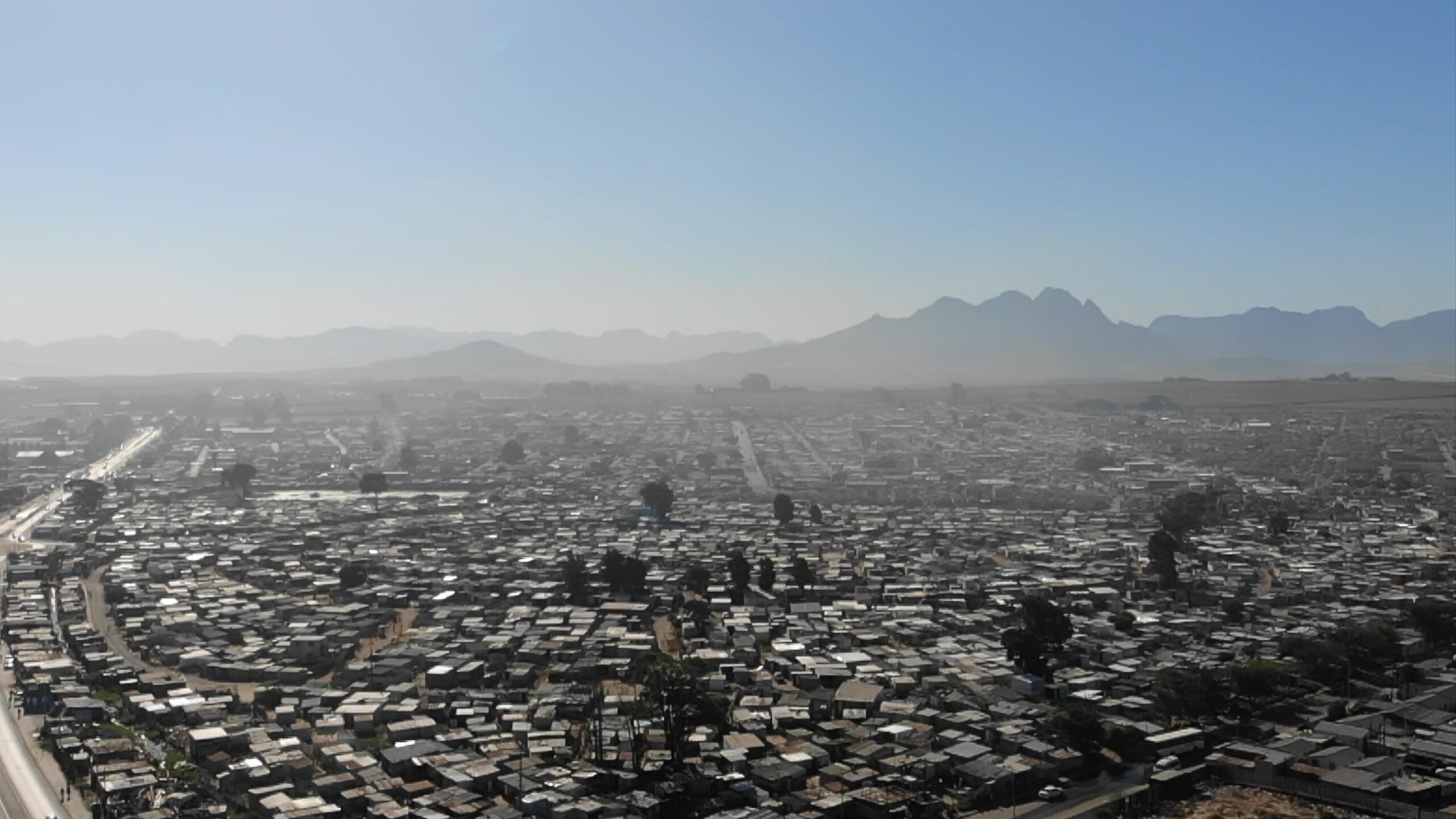
My debut documentary, Stolen Ground, investigates one such incident: the invasion of the historic Tygerberg Raceway in Cape Town. During Covid-19 lockdown the land was swiftly occupied. The police did respond, scrambling with the City of Cape Town to tear down the first shacks, even while juggling a dozen other invasions across the metro. However, their efforts slammed into a legal brick wall when the SA Human Rights Commission stepped in, blocking the urgent interdict the city sought. From that moment it was open season: the occupiers stayed, the racetrack was lost, and the Pie Act forced the lawful owner into a slow-motion, high-cost court battle while offering de facto sanctuary to the invaders.
This is not a case of “land reform”. This is a case of land seizure, enabled by a broken legal framework. Here are three shocking truths about the Pie Act, things the government does not want the world to know:
Illegal occupation is protected by default. Section 4(6) of the Pie Act states that courts may not grant eviction orders unless it is “just and equitable”, taking into account the rights of unlawful occupiers, their children and how long they’ve been on the land. Translation? Squatting is functionally legal, especially if done in large groups.
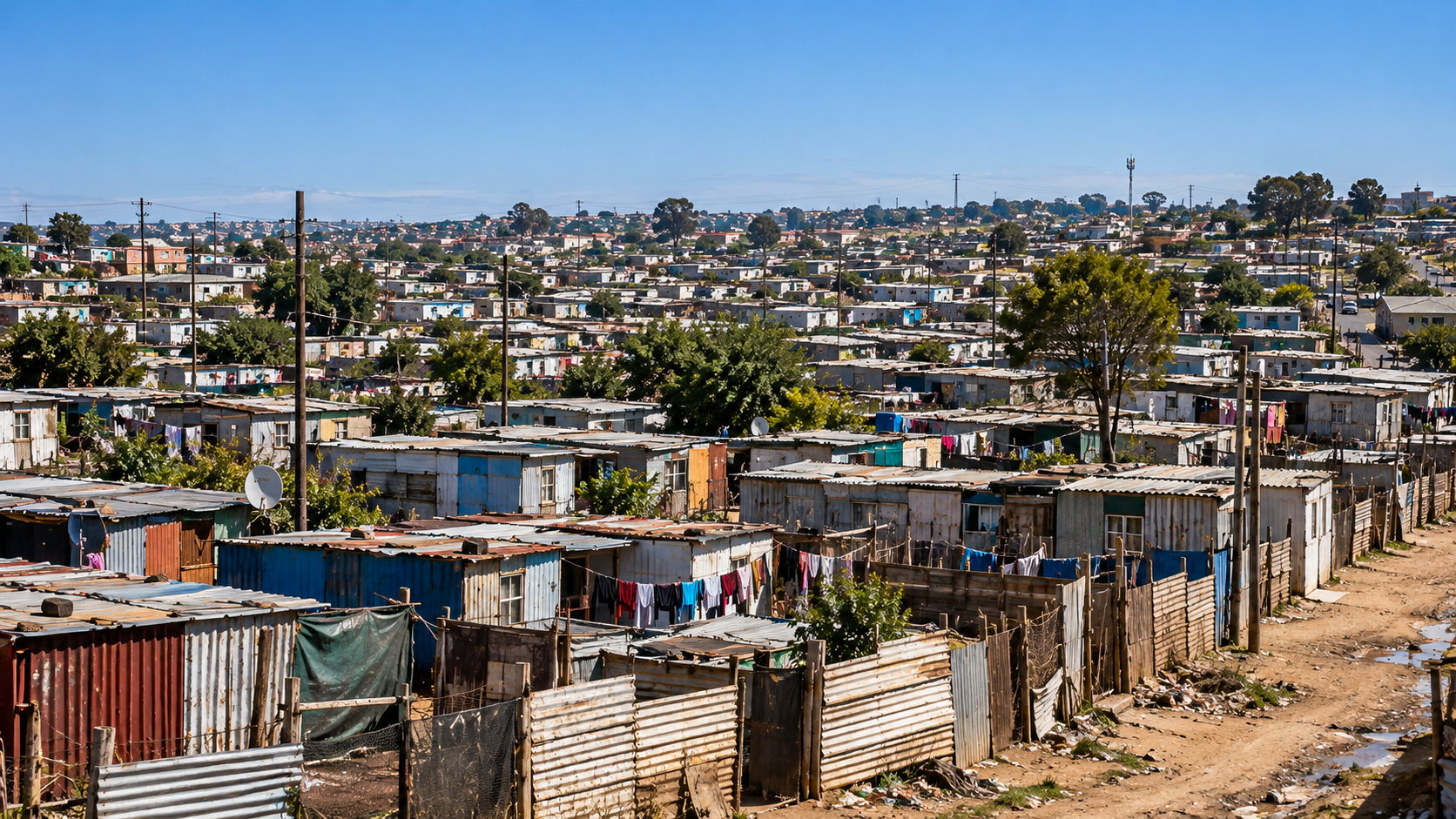
There is no definition of “home”. The act never defines what qualifies as a “home”. It could be a tent, a shack built yesterday, perhaps even a line of washing on a fence. The law assumes permanence where none may exist, making any removal an automatic human rights violation.
Evictions can take years. With mandatory “meaningful engagement”, court delays and the state’s failure to provide alternative accommodation, evictions can take two to five years, or longer if children are involved. During this time the landowner loses all control of their property while footing legal bills and security costs.
In Stolen Ground I show what this looks like in real life. The raceway, once a bustling community hub for family-friendly motorsport, is now a shadow of its former self. Its facilities trashed, its economic engine shut down.
The community lost jobs. Children lost safe spaces. Entrepreneurs lost opportunities. And a city that tried to intervene, led by people like JP Smith, was shackled by a law written in a different era, designed for a different context.
Smith is one of the few public officials who actually tried to stop the illegal occupation. But even with the DA governing the Western Cape, their hands were tied by national law, which raises the uncomfortable question: why hasn’t the DA repealed the Pie Act in the Western Cape?
Section 104 of the constitution grants provinces legislative authority in areas such as housing. A bold provincial repeal or alternative framework could trigger a constitutional showdown and possibly save thousands of properties from the same fate.
Imagine what happens when the Expropriation Act is added to this cocktail. Under the Expropriation Act the state can seize land without compensation and justify it on the grounds of “public interest”. Combine that with the Pie Act, which protects unlawful occupiers once they are on the land, and you have a chilling scenario: the state can take your land. Squatters can keep it. You can’t get it back.
This is not theoretical, it’s happening but it just hasn’t been making the headlines, until now. This isn’t just about race or inequality. It’s about lawlessness disguised as compassion, and ideology overriding common sense. And if it can happen here, it can happen anywhere.
Stolen Ground is more than a story about one raceway. It’s a warning about what happens when flawed legislation, political cowardice and legal inertia collide.
The DA deserves credit for speaking out and trying to act, especially in Cape Town, but words are no longer enough. South Africans deserve laws that protect their homes, not enable their loss.
The Pie Act must go. And every political party that claims to defend democracy must take a stand. Because when property rights die, freedom isn’t far behind.